




Every fitness industry professional faces this challenge: a client walks in with big goals. They want to lose two dress sizes or get a ripped six-pack in eight weeks because an Instagram influencer has told them that it’s absolutely possible.
They’re willing to massively cut their calories, attend intensive training sessions five days a week, and start all fired up. Then, two weeks in, they burn out, aren’t seeing results, and decide personal training is useless.
One of the hardest things any PT has to do is teach clients the value of sustainable fitness habits over quick weight loss.
The big question is, how do you explain why it matters and keep your clients motivated throughout their journey?
Find out in this post.
Why Quick Weight Loss Doesn’t Work
It’s easy to see why so many people fall for the quick weight loss trap. Fad diets and extreme workout plans promise fast results, but these dramatic changes rarely last.
And it’s for a simple reason: the human body isn’t designed for crash diets, and it needs replenishment after intense exercise.
Excessive cardio and extreme calorie cutting might seem like they’re working, but the weight loss usually comes from the body shedding glycogen, water, and muscle mass.
So, even though the scales might drop initially, your client’s body composition won’t improve because they’re losing muscle mass.
Multiple studies prove that crash diets often result in weight gain further down the line. Many people regain the weight they lost and become heavier than they were initially because these diets aren’t sustainable (NCBI).
The Difference Between Weight Loss and Fat Loss
While many people use weight loss and fat loss interchangeably, there are some key differences your clients should be aware of.
- Weight loss = losing water, fat, and muscle.
- Fat loss = reducing body fat while maintaining and growing lean muscle.
While weight loss is beneficial for individuals who are overweight or obese, fat loss is a targeted approach to improve a person’s body composition, maintain an active metabolism, and sustain positive fitness habits.
Fat loss isn’t achieved by excessive training and extreme calorie deficits; it relies on optimal nutrition and strength training.
The Benefits of Fat Loss:
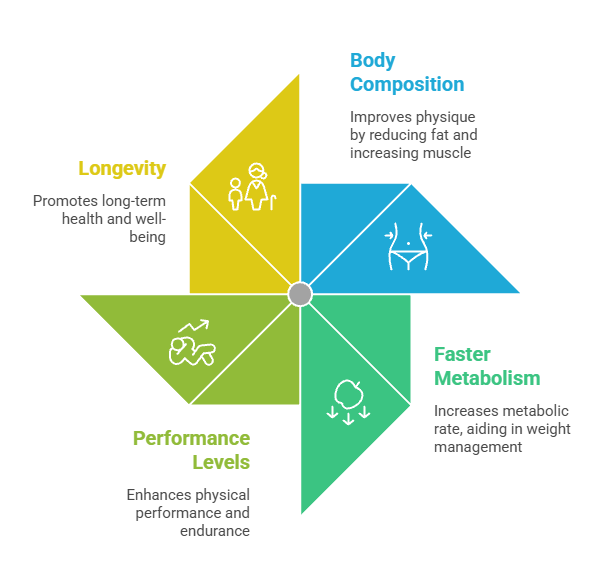
- Body Composition: Weight loss doesn’t mean that body composition improves. A person can have a low BMI, but still have high levels of fat and low muscle mass. In contrast, fat loss and muscle growth create a toned physique.
- Faster Metabolism: Individuals with greater muscle mass have a higher metabolic rate. They’re also at lower risk of cardiovascular conditions and diabetes.
- Performance Levels: More lean muscle enhances physical performance and endurance, making it easier to remain fit.
- Longevity: By focusing on providing your clients with a healthy eating plan and consistent training schedule, they can maintain their results without feeling like they’re burning out.
How to Ensure Your Clients Achieve Long-Term Results
The most successful personal trainers don’t promise fast weight loss; they offer transformations.
Clients who stick to established training programmes are more likely to achieve long-term results than those who rely on crash diets and unrealistic training schedules.
Understand Each Client’s Needs
People have different body types, metabolisms, and fitness levels. A qualified personal trainer should be able to assess each client holistically and determine the best training programme for their needs.
For example, overweight individuals often require a balance of cardio and strength training, while people with a healthy BMI can focus more on building muscle mass.
Implementing circuit training and progressive overload helps your clients enhance their fitness and body composition.
Nutrition is Key
Exercise is just one piece of the puzzle. A person can work out regularly, but a diet that’s high in processed foods and sugars can halt their progress.
The best personal trainers combine exercise with advanced nutrition principles to deliver a holistic experience.
By teaching clients about portion control and healthy eating, you can support them to make better decisions.
Personalised diet plans factor in each client’s unique needs, including deficiencies, lifestyle choices, and conditions like diabetes.
Educate and Motivate
Some clients have unrealistic goals, and it’s the PT’s responsibility to educate them while also motivating them. Explaining the principles of sustainable weight loss can help clients understand why crash diets and all-in training plans don’t work.
Establishing micro-goals, such as completing a certain number of reps or increasing daily protein intake, provides small wins. These micro-goals can help your clients stay motivated while also keeping their long-term goals in mind.
Build on Progress
Every time a client meets their small goals, it’s time to expand on them. For example, a small goal might be losing 10lbs.
Once your client reaches that goal, encourage them to set more ambitious objectives to stay on track.
This doesn’t just keep them engaged; it also ensures accountability.
Enhance Your Clients’ Results With The Fitness Circle
If you want to become a successful PT who’s valued for their long-term results, building the right skills and knowledge is vital.
The Fitness Circle is one of the UK’s most respected training providers, offering fitness professionals of all levels the chance to build successful careers.
Our courses are 100% online and available with 0% interest flexible payment plans. Here’s what we recommend for PTs who want to succeed through teaching sustainable fitness habits:
- Online PT Course: If you’re new to the fitness industry and want to become a PT, our affordable Personal Trainer Online Course combines both the Level 2 Gym Instructor and Level 3 PT diplomas into one learning experience.
- ETM Nutrition Specialist: If you prefer teaching group classes, we offer a combined Level 2 Exercise to Music and Level 4 Nutrition course. The ETM Nutrition Specialist diploma enables you to create fitness classes and incorporate advanced nutrition principles.
- Pre and Postnatal Diploma: Love the idea of supporting pre and postnatal women? Our specialist course lets you design training programmes for each client’s unique needs.
If you’re interested in diversifying your skills, please download a brochure or book a free call with The Fitness Circle today.
Download Brochure
Why not take the first step towards your brand new career in fitness now?
Not sure where to start?
Our Success Advisors are eager to walk through your options and answer any questions you have.
0800 677 1175


From our Instagram