



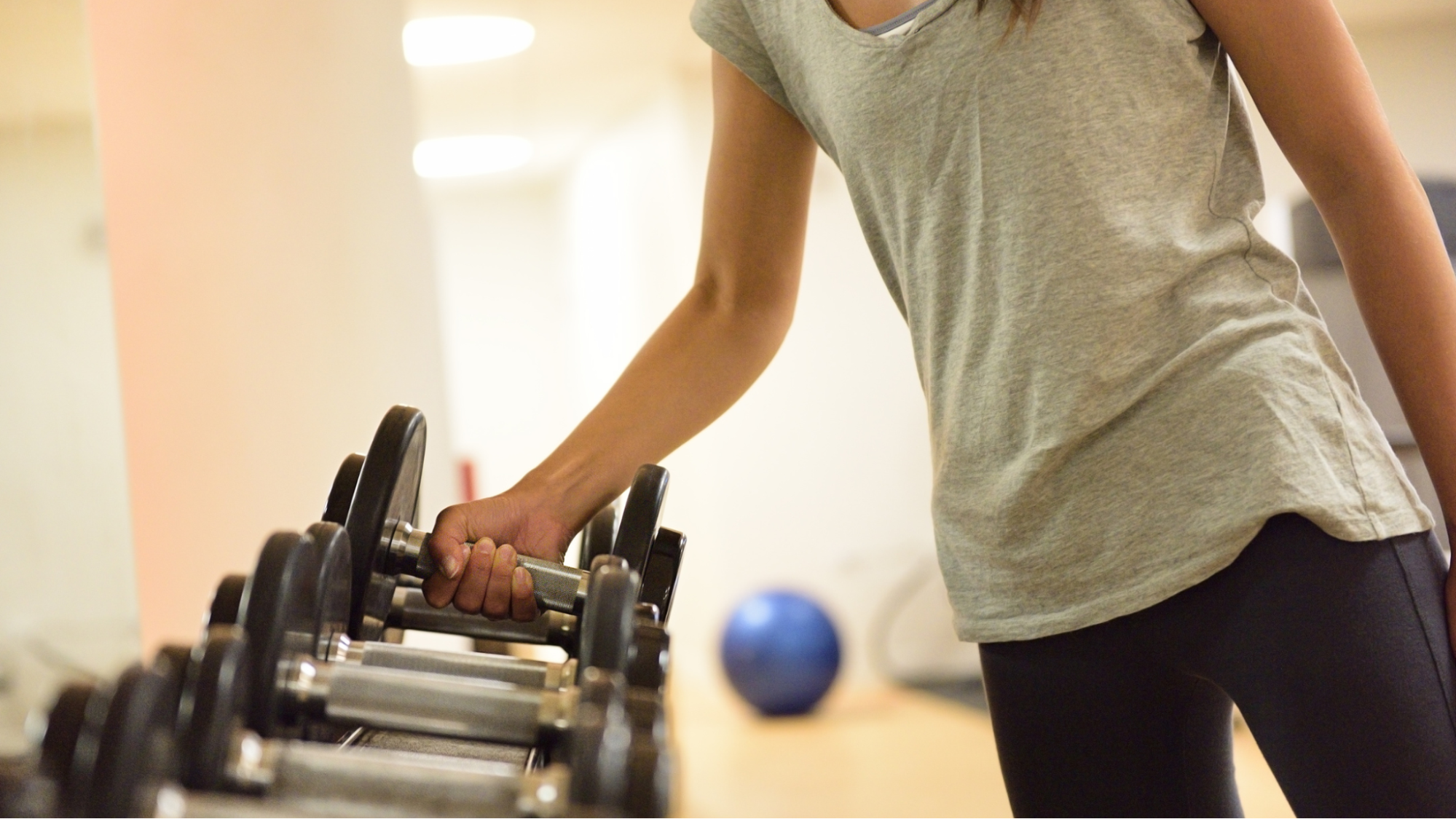
Strength training is one of the most popular ways to boost your fitness and lose weight, but what happens to the body when you start lifting weights?.
Whether you’re an aspiring personal trainer or are already working in the fitness industry, understanding what happens to the body during strength training is vital for supporting clients along their fitness journey.
In this post, we’ll explore the effects of strength training and the benefits it offers for clients.
What is Strength Training?
In simple terms, strength training is the process of using resistance to challenge the muscles. This resistance could be from your own bodyweight, dumbbells, kettlebells, barbells, or resistance bands.
Planks, deadlifts, rows, lunges, squats, and glute bridges are all examples of strength training.
While cardio increases heart rate and enhances your body’s fat-burning capabilities, strength training builds lean muscle, which speeds up your metabolism (NIH).
What Happens When People Start Strength Training?
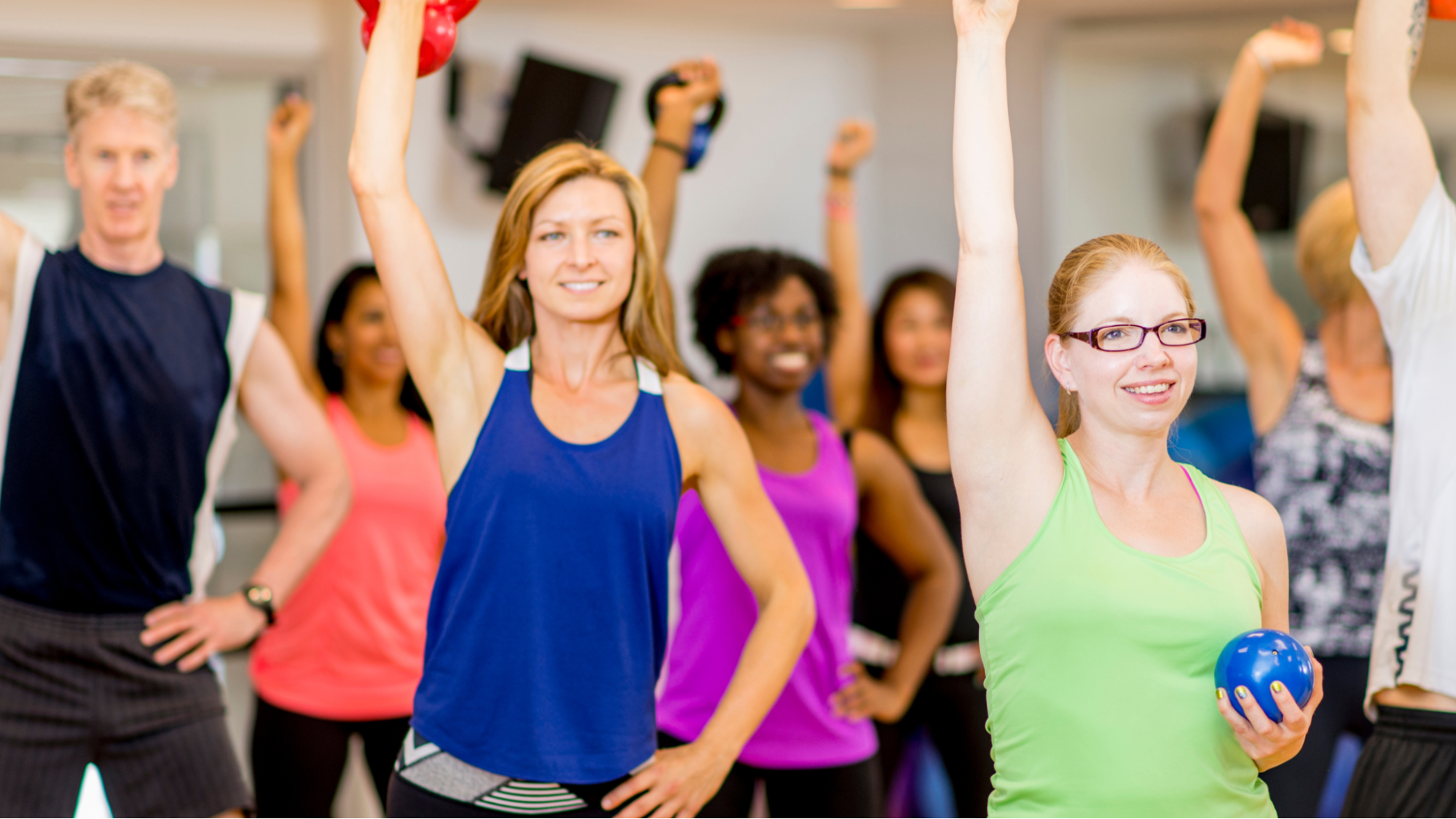
Strength training is for everyone. It doesn’t matter about age or gender, because the right training programme will support muscle growth and result in steady gains.
The Muscles Begin to Adapt
People often expect to see instant toning when they begin strength training, but the most noticeable result of a training programme is that muscles become more efficient.
Repetitive exercises will begin to feel easier after a few sessions. For example, many people struggle with squats and deadlifts, but the results often come when the muscles are able to engage correctly.
Soreness is Common
Everyone will feel sore when they start strength training, because the body has to get used to the movements.
Also known as DOMS (Delayed Onset Muscle Soreness), it occurs up to 48 hours after a workout, often resulting in sore and aching muscles.
Once the body gets used to exercise, it adapts, making strength training easier.
Strength Increases
The body begins to get stronger with consistent strength training – even if you stick to consistent weights or repetitions. But it’s often the small things that people notice.
For example, simple things like lifting boxes or climbing stairs don’t require as much effort. These might not seem like much, but they make daily life easier.
Stronger Bones and Postural Stability
Studies show that strength training also improves bone density, reducing problems later in life (Harvard Health).
Individuals with low bone density are at greater risk of osteoporosis later in life, so following a regular strength-training regimen is an excellent way to prevent issues.
When muscles support the rest of the body, they also help maintain better posture, which can help prevent back and neck pain.
Faster Metabolism
It’s a well-known fact that muscles burn more energy than fat, so individuals with more muscle naturally have a faster metabolism.
However, a lot of clients think that strength training will instantly transform their metabolism, but this isn’t the case.
If a client is overweight or obese, combining strength training with cardio like exercise to music can offer better long-term results.
Mental Wellbeing
All forms of exercise are known to boost endorphins, which enhances mental health, including strength exercises (Penn Medicine).
When people first start training and can only handle light weights or a few push-ups, their confidence begins to grow when they increase weights and repetitions.
How Long Does It Take to See Results?
The results clients typically see from strength training depend on their starting point. For example, people who need to lose excess fat may take longer to see visual results than someone who’s already fit.
The emotional changes and flexibility can occur after a couple of weeks of training, but the more obvious changes occur after 6-12 weeks.
Personal trainers often need to keep their clients motivated and remind them that results take time.
How to Integrate Strength Training into Sessions
Everyone can benefit from strength training, no matter what their age or body type is.
However, as a fitness industry professional, it’s important to understand how to support clients and integrate strength training into each session.
Opting for a Level 3 Personal Training Diploma gives you the opportunity to work with clients on a one-to-one basis, while opting for a Circuit Training qualification can help you develop structured workouts that combine different strength training exercises with cardio.
Specialist courses are excellent investments if you want to work with certain clients. These include:
- Level 3 Pre and Postnatal Training: Both pre and postnatal women can benefit from strength training, as it can support their posture and enhance flexibility. This course teaches you how to develop exercises for women with unique needs.
- Exercise for Older Adults: More seniors are discovering the benefits of exercise, and this specialist course teaches you how to adapt movements for individuals with mobility issues.
The Bottom Line
Strength training is a proven way to enhance your overall health, improve emotional wellbeing, and build muscle.
With more people realising the benefits of strength training and how it complements traditional cardio, fitness industry professionals who understand the core principles can enhance their careers and attract more clients.
Plus, you can adapt strength training to almost anyone once you understand the principles. If you’re interested in diversifying your skills, The Fitness Circle offers online courses tailored to learners at all stages of their careers.
Our students benefit from a team of expert tutors and decades of combined experience in the fitness industry.
If you’d like to explore our courses, please feel free to book a free call with a specialist advisor today.
Download Brochure
Why not take the first step towards your brand new career in fitness now?
Not sure where to start?
Our Success Advisors are eager to walk through your options and answer any questions you have.
0800 677 1175


From our Instagram