



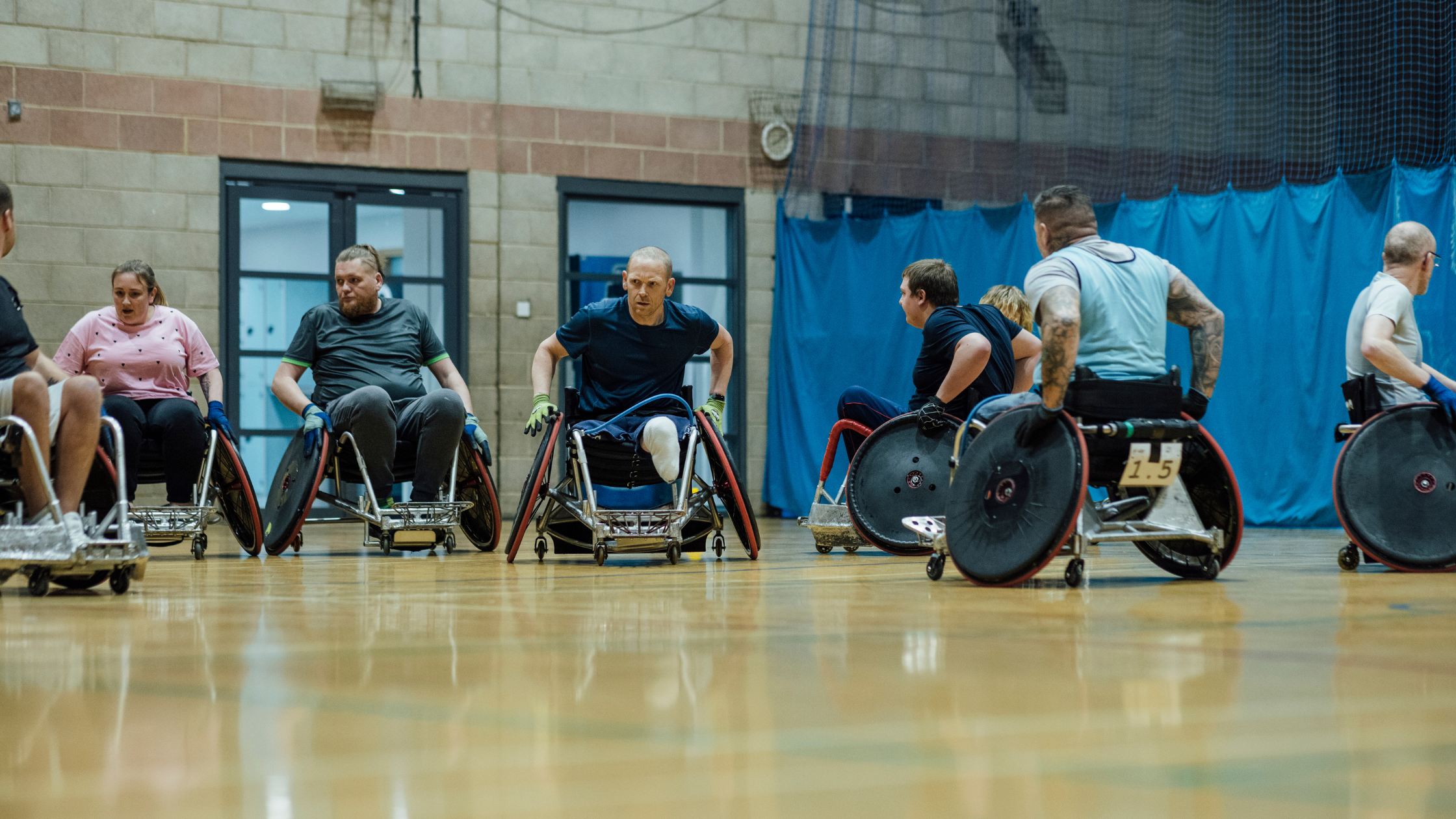
Too often, fitness education is built around a narrow idea of who a “fitness professional” is, how they move, how they learn, and how they’re expected to show up.
For many disabled people, the barrier isn’t motivation or ability. It’s whether the training course has been designed with access, flexibility, and real-world support in mind from the start.
At The Fitness Circle, we believe inclusive education isn’t about making exceptions; it’s about building programmes that work for different bodies, learning styles, and lived experiences.
That’s why we partnered with Exercise Move Dance UK and Aspire Leisure Centre to deliver a Level 2 Group Exercise Training qualification designed to support disabled learners into both certification and employment.
This article explores what disabled people actually look for in a fitness instructor course, from accessibility and confidence-building to community and realistic pathways into work, and how inclusive design changes what’s possible.
Can You Be a Gym Instructor With a Disability?
Yes, of course you can become a gym instructor with a physical or mental impairment, provided the course is designed with accessibility, support, and progression in mind!
The question isn’t whether disabled people can work in fitness, but whether training providers are removing unnecessary barriers.
Filling a Gap in the Market
Over 14 million people are living with a disability in the UK. The government recommends that everyone – regardless of mobility level – should get at least 150 minutes of physical activity a week.
The Inclusive Fitness Initiative was designed to make exercise more accessible to people with disabilities. Despite this, just 67 gyms and health centres out of 7,000 are actively part of the initiative.
So, there’s a huge demand for specialist instructors in the UK. By becoming a gym instructor, you can use your personal experiences to support disabled clients with their physical activity.
Gym Instructing is Often Misunderstood
A lot of people associate gym and group fitness instructors with physical perfection, but this isn’t the case. The most successful professionals have four key traits:
-
Communication skills
-
Understanding
-
Empathy
-
The ability to inspire and motivate others
Having a disability doesn’t limit these skills. In fact, your experiences can make you a better instructor.
The Benefits of a Career in the Fitness Industry
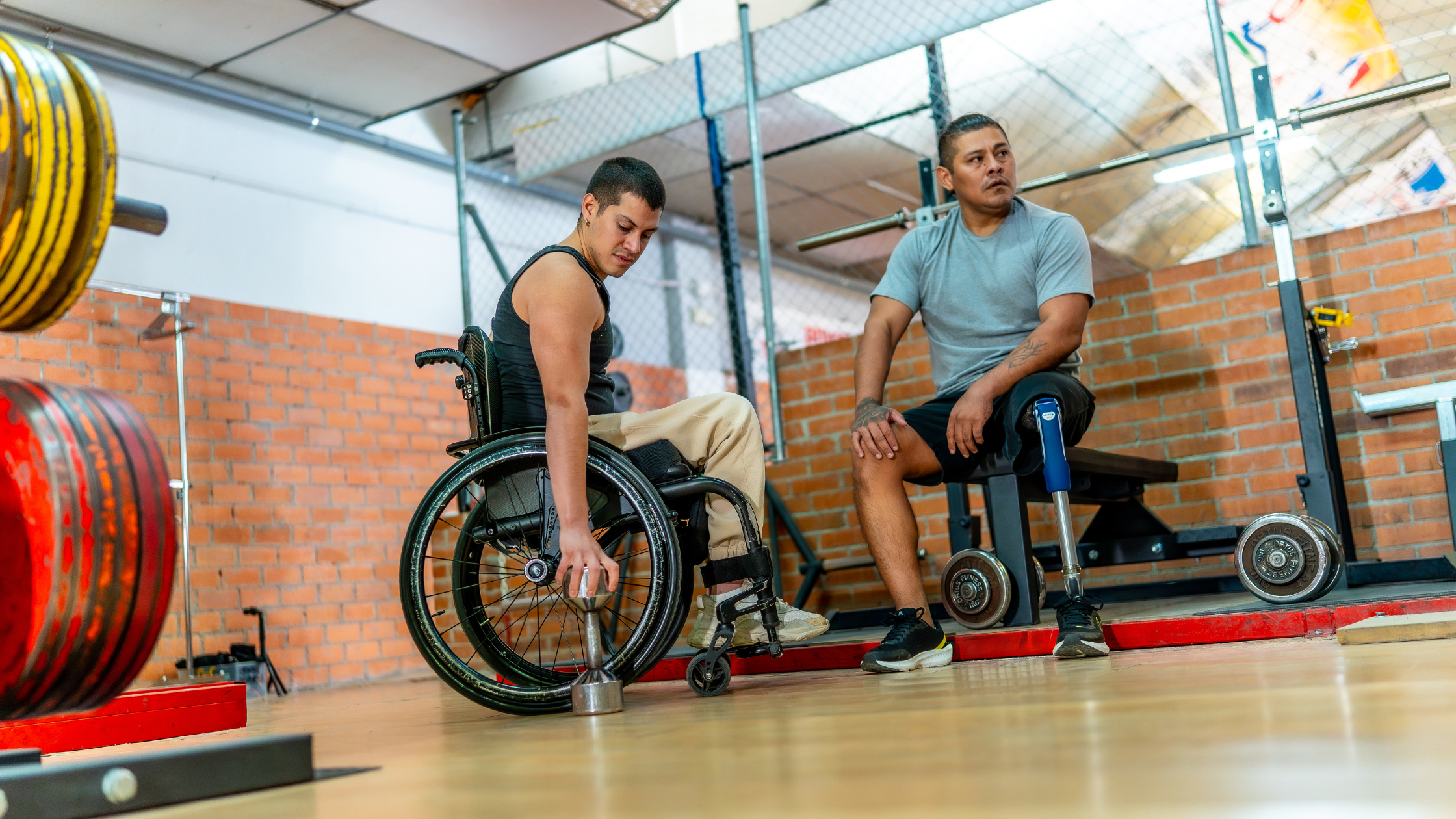
The fitness industry continues to grow, fueled by a renewed interest in health and wellbeing. Some clients may want to build strength, while others may be on a weight-loss journey.
No matter the goal, gyms and health centres provide a structured way for clients to achieve it.
When you become a group instructor, you can build a successful and rewarding career.
Specialise in Disabled Fitness
Let’s clear one thing up: a disability doesn’t prevent you from working with clients from all backgrounds. However, many professionals with physical limitations choose to specialise in working with disabled clients, because they can share their experiences.
You’ll understand physical limitations better than trainers without disabilities, which can create more holistic fitness experiences.
Diverse Career Opportunities
Level 2 courses, like the Group Instructor or Gym Instructor certificates, are entry points into a fitness career. Everything opens up once you have a strong foundation in place.
If you love motivating others and would like to offer more advanced solutions, becoming a personal trainer could be the perfect progression. The Level 3 Personal Training Diploma enables you to work one-on-one with clients.
There are also opportunities to gain additional qualifications, such as Circuit Training, or to become a Tutor and Assessor further down the line.
Enjoy a Rewarding Career
Fitness instructing and personal training are highly rewarding careers because you’re playing an active role in helping people improve their lifestyles.
Group fitness classes are social and help isolated individuals feel a sense of community while also enhancing their physical wellbeing.
When you adapt certain exercises to allow older adults or individuals with mobility issues to participate, you can see transformations.
How We Designed the Course
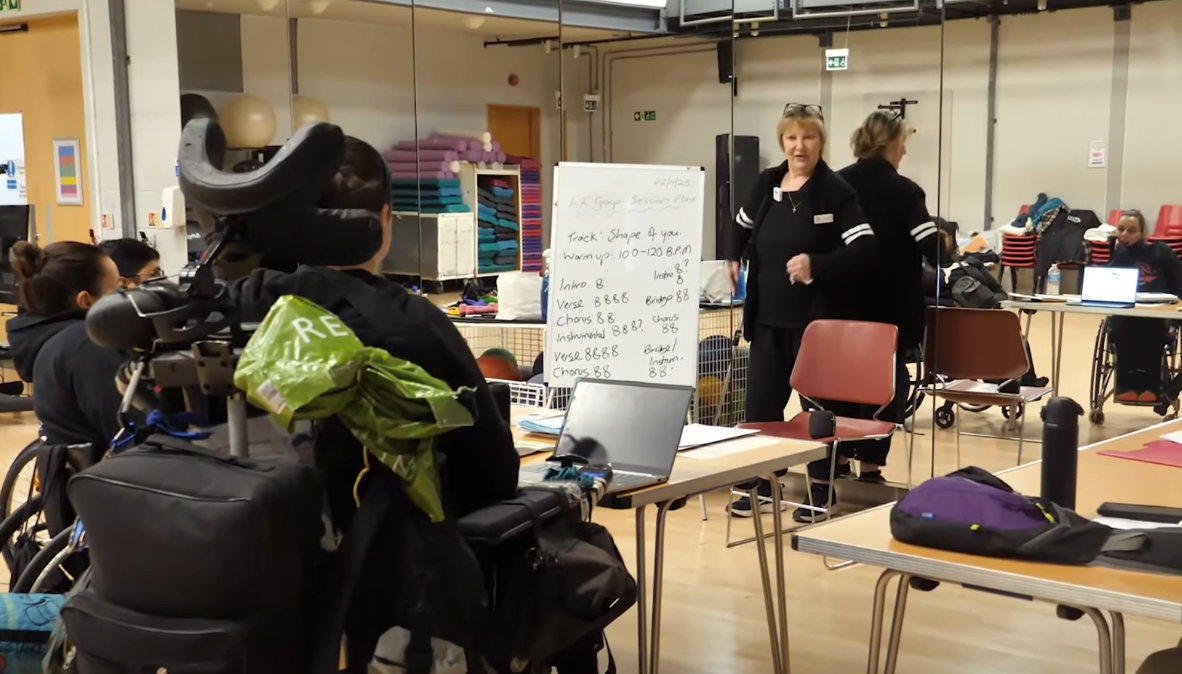
Our Group Instructor training programme was designed to help people with a disability gain an internationally recognised qualification, enabling them to find employment in the health, fitness, and leisure industry.
The course combined online and in-person learning and was designed to support different physical needs, learning styles, and lived experiences.
Some students had mobility challenges. Others were living with spinal cord injuries. All of them shared the same goal: to build skills, confidence, and qualifications needed to help others improve their health and wellbeing.
Collaborating With Specialist Partners
We created the course in collaboration with EMD UK and Aspire. EMD UK is the national body for group exercise, while Aspire supports and advocates for individuals with spinal cord injuries.
By partnering with both organisations, we created a course focused on inclusive fitness and accessible learning.
Confidence Building
One of our passions is helping aspiring fitness professionals gain the knowledge and confidence needed to become valued members of the fitness sector.
By combining online learning with in-person workshops, each student could enjoy the social aspects of the course.
Preparing for Employment
All of our courses are designed to help students achieve their goals. We want you to progress from studying to active employment in a gym or leisure centre.
Our tutors discussed a range of career opportunities with each learner, preparing them for the future.
Feedback and Development
We formed the Fitness Circle in 1996 and are one of the UK’s longest-running training providers. Feedback is vital to our courses, and we actively encourage students to tell us how we can improve the accessibility of the fitness instructor course.
Discover what each student had to say about their learning experience with us.
Discover Our Inclusive Fitness Instructor Training Options Today
Whether you want to work in a gym, freelance, or start your own business, we’re here to help you meet your goals.
Please explore our accessible fitness qualifications today, and book a free call with an advisor to discuss your options.
FAQs
Do you offer support for disabled learners’ fitness courses?
Absolutely. When you study with us, you can access a team of specialist tutors who will always make necessary adjustments to accommodate you.
Your personal tutor is only a phone call or email away, and they’ll help you navigate the learning materials or provide extra support when needed.
Can I go straight to a Level 3 course if I’m new to the fitness sector?
No, you need a Level 2 Gym or Group Instructor certification first, as it provides you with foundational fitness principles. It also depends on which Level 3 course.
However, if you know you want to become a PT, we offer an Online PT Diploma that combines the Level 2 and Level 3 courses into one convenient package.
Will I be limited to working with other disabled people?
Definitely not. You can work with clients from all backgrounds. Once you’re qualified, you can design your perfect career path.
While some trainers with disabilities prefer to support people with similar limitations, others work with professional athletes, new mums, or create specialist classes for people with conditions like diabetes and cardiovascular conditions.
Download Brochure
Why not take the first step towards your brand new career in fitness now?
Not sure where to start?
Our Success Advisors are eager to walk through your options and answer any questions you have.
0800 677 1175


From our Instagram