



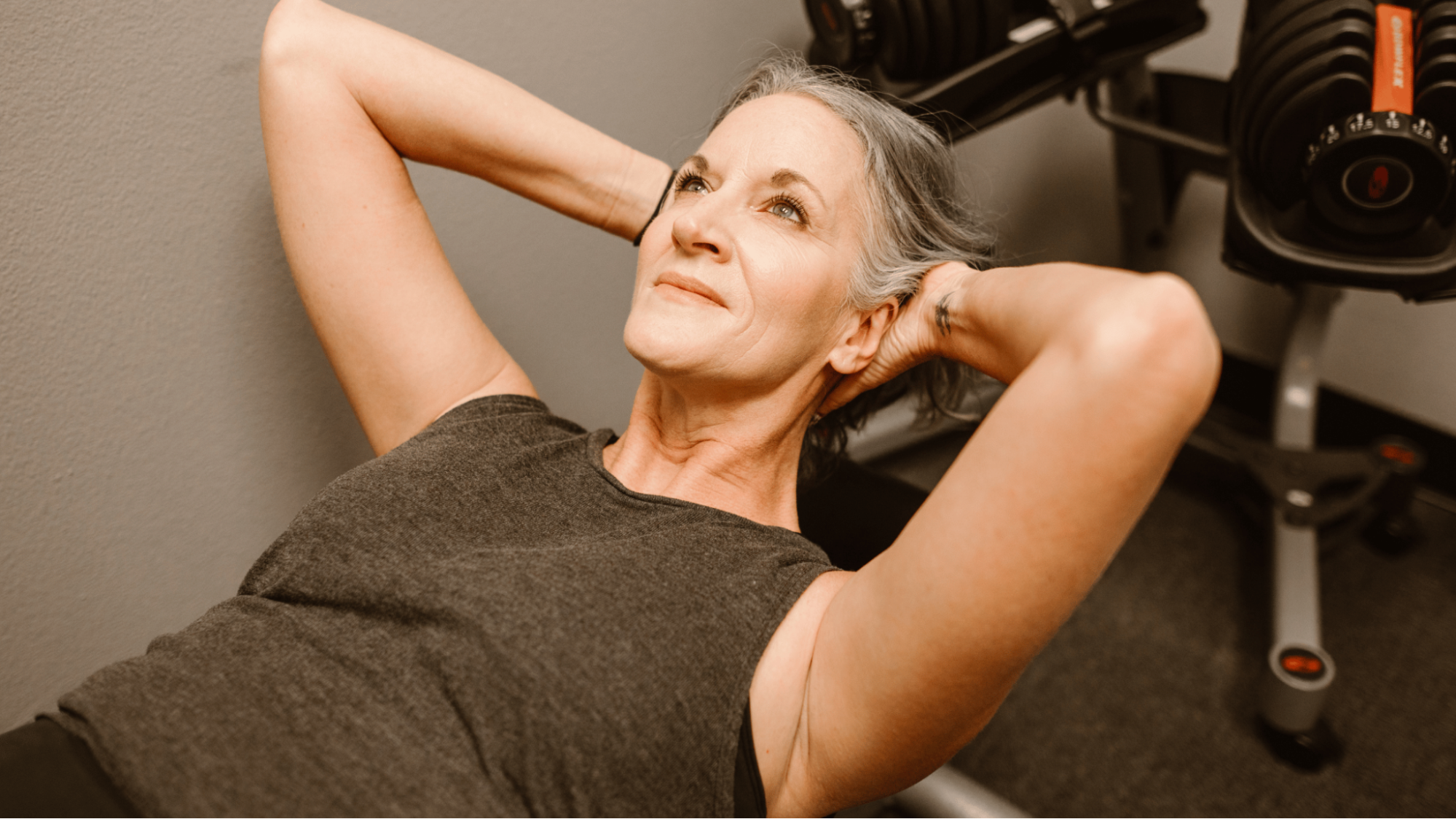
When it comes to menopause and exercise, standard training techniques just don’t cut it due to hormonal changes.
Many women going through this stage of life struggle to remain active and train effectively, but this actually opens up a massive opportunity for female PTs.
Specialising in menopause training gives you the opportunity to explore a growing niche and establish yourself as an expert.
In this post, we’ll look at what menopause exercise involves, and how female PTs can carve out their own space in a competitive industry.
Why the Menopause Exercise Niche is a Huge Opportunity
Around half of the UK population will go through perimenopause and menopause during their lifetimes, with the average age being 51 (NHS).
However, it’s important to remember that perimenopause can start up to 10 years earlier, which means that many women will experience symptoms before their periods stop completely.
Menopause causes a range of changes in the body, including an altered metabolism, hormonal imbalances, joint pain, poor sleep quality, and lethargy – all of which can impact training.
Because women in this stage of life require a different type of training, they often find that traditional workout plans for women in their 20s and 30s aren’t effective.
So, with women now being more open about perimenopause and menopause, qualified personal trainers can use this demand to attract a motivated and engaged client base.
What Happens to the Body During Menopause
The biggest problem during menopause is that estrogen drops, which don’t just impact the reproductive system. Lower estrogen levels can cause a range of symptoms that impact muscle mass, insulin sensitivity, and the joints:
- Muscle Loss: Sarcopenia occurs due to declining estrogen levels, which can impair muscle protein synthesis and lead to greater muscle mass loss. Of course, less muscle also means that metabolism works more slowly.
- Bone Density: Menopausal women are also more at risk of osteoporosis and fractures due to lower bone mineral density. Reduced collagen can impact the tendons and joints.
- Fat Storage: Visceral fat storage is more common during menopause, which is more dangerous than subcutaneous fat (PMC).
- Longer Recovery Times: Being more prone to lethargy can mean longer recovery times between workouts, making it harder to stick to consistent training.
So what does all of this mean? Well, it doesn’t mean that menopausal women should train less, but they should train smarter. And that’s where expert PTs come in.
What Effective Exercise During Menopause Looks Like
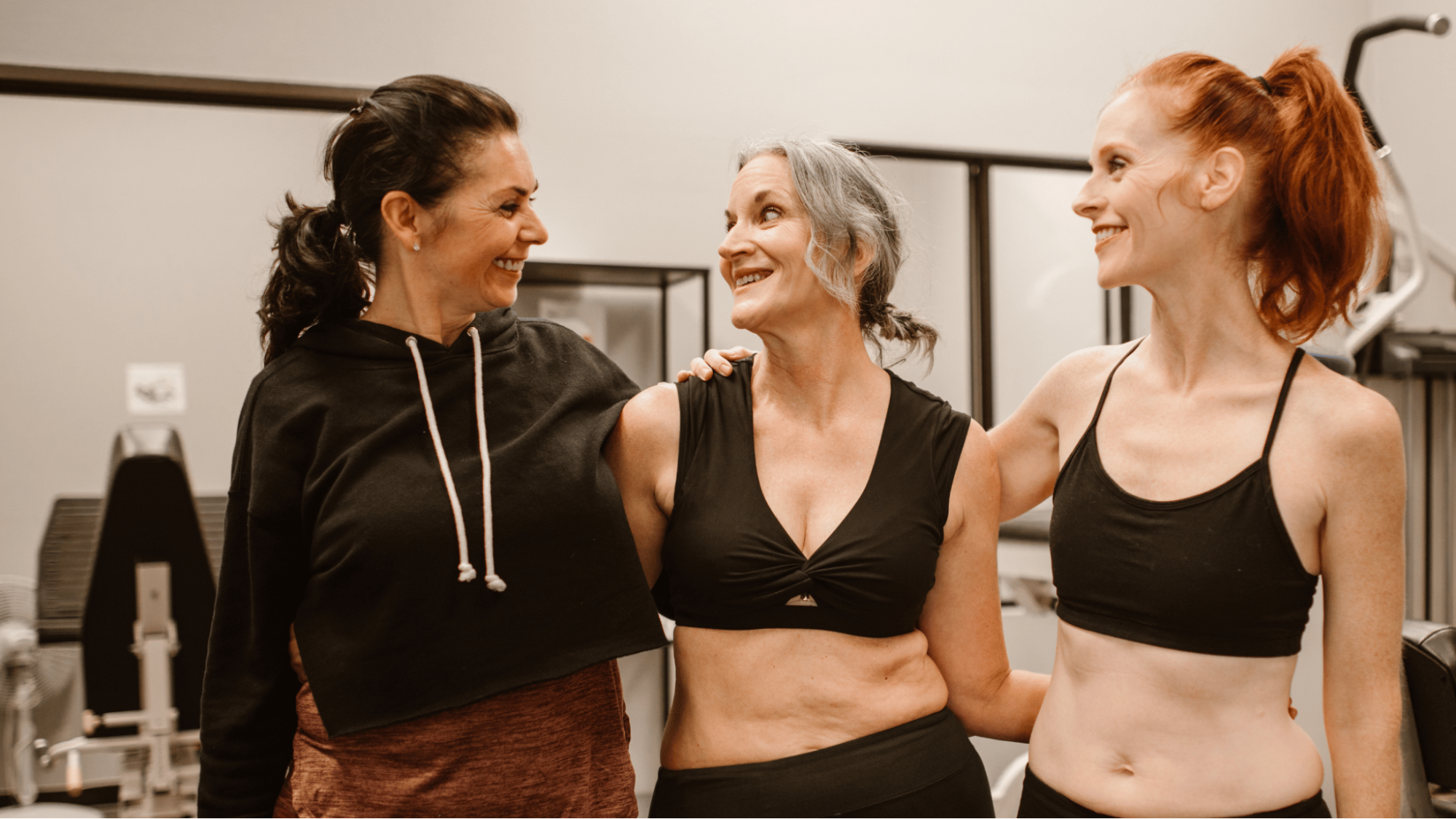
Becoming a menopause fitness instructor means understanding what your clients need rather than following traditional advice.
For example, more cardio might seem like an excellent way to boost metabolism, but losing muscle mass makes fat gain more likely.
As a menopause fitness coach, you should follow these principles when training clients:
Strength Training
Menopause strength training is proven to preserve muscle and improve bone density. However, rather than multiple repetitions with light dumbbells, progressive training that focuses on increasing load yields the best results.
Implementing circuit training with an emphasis on strength building can also improve bone density. Loaded carries, multi-directional movements, and functional training help prevent the loss of bone mineral density.
Cardio Training
Cardio is still important, but it’s more about strategic training rather than long sessions. Low-intensity exercise can be beneficial, and integrating hobbies is an excellent way to ensure motivation.
Combining this low-intensity exercise with HIIT workouts means that menopausal women often find it easier to stick to training, without experiencing significant lethargy.
Pelvic Floor Training
When estrogen levels decrease, it can impact the pelvic floor’s elasticity and strength. Over time, this can lead to pain during intercourse and incontinence.
Trainers who understand the importance of core and pelvic floor training can make a significant difference to their clients’ lives.
Recovery Time is Essential
Strict training schedules aren’t always possible for women navigating menopause because they experience energy fluctuations. Some weeks have poorer sleep quality, while others may come with low moods and a lack of motivation.
Experienced personal trainers will need to understand how to navigate this and ensure that their clients remain motivated.
How to Become a Menopause and Hormone Health Personal Trainer
There’s nothing to say that a male PT can’t work with menopause clients, but female trainers have a distinct advantage: they understand the impact of fluctuating hormones.
This level of empathy means that it can be easier to connect with clients and maintain motivation.
Some trainers may also enter the fitness industry later in life, when they actually understand how menopause affects the body.
If you’re interested in specialising in this lucrative niche, here are the steps you should take:
- Get Qualified: If you don’t have a PT qualification, this is the first step. Our Level 3 PT qualification is suitable if you hold a Level 2 Gym Instructor certificate, but the Online Personal Trainer Course combines both qualifications into one affordable price.
- Enhance Your Skills: Investing in specialist courses that focus on circuit training, strength conditioning, and advanced nutrition can help you achieve better client outcomes.
- Market Yourself: If you work in a gym or health centre, ask to be matched with clients that are navigating menopause. Self-employed PTs can market to audiences through their website.
Final Thoughts
Menopause and exercise isn’t just another fitness trend; it’s a genuine demand from a demographic that cares about health and wellness.
By focusing on working with women in all stages of menopause, you can build a loyal client base and make a name for yourself.
If you’re interested in diversifying your skills, The Fitness Circle offers fully online courses that are accredited by professional bodies such as the CIMSPA.
With interest-free flexible payment plans available, we’re making a career in personal training accessible for anyone. Please book a free call today for more information.
Download Brochure
Why not take the first step towards your brand new career in fitness now?
Not sure where to start?
Our Success Advisors are eager to walk through your options and answer any questions you have.
0800 677 1175


From our Instagram