



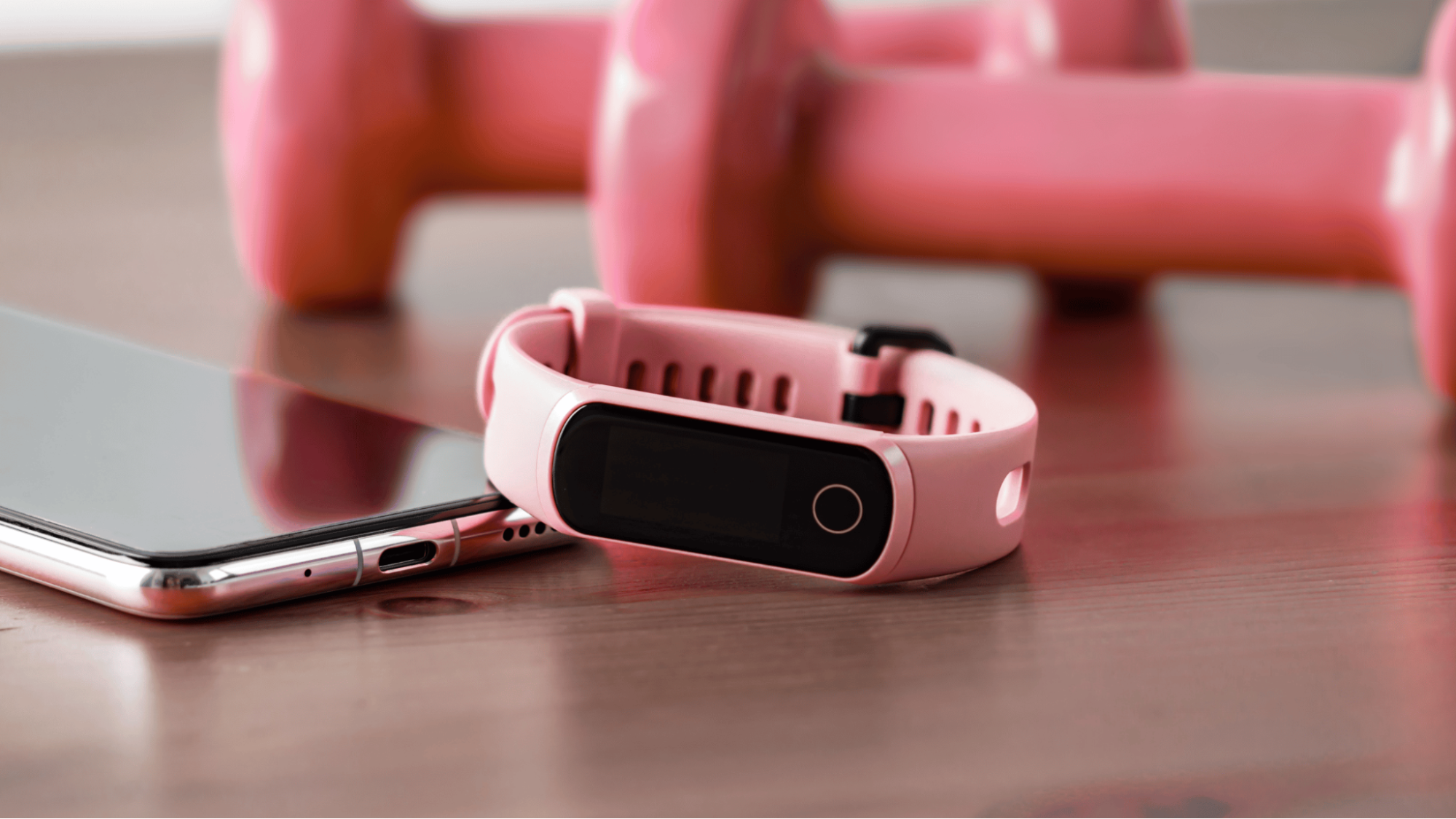
Technology is ingrained in every part of our lives, from work to socialising to fitness.
Wearable technology has transformed health and fitness, enabling people to assess their performance during exercise and track vital metrics.
These insights were once only available at high-tech health centres, but now people everywhere can benefit from wearable devices.
From traditional fitness watches to bracelets, rings, and bands, there’s a suitable option for everyone.
In this post, we’ll explore how wearable technology is transforming personal training and how fitness professionals can use the insights it provides to ensure better client outcomes.
What Is Wearable Fitness Technology?
Wearable fitness devices are items that collect fitness and health data, including:
- Heart rate
- Daily activity levels
- Calories burned
- Steps
- Sleep quality
- Recovery rates
- Blood oxygen
- Stress levels
- Running metrics such as pace and distance
- Strength training performance
Individuals often use smartwatches, rings, and fitness bands for general exercise, while athletes can take advantage of advanced performance monitors that provide more in-depth data.
The Benefits of Fitness Trackers for Personal Trainers

Every personal trainer knows that their success depends on delivering results for clients.
You can have yourLevel 3 PT Diploma, but standing out from other professionals and attracting clients depends on building a positive reputation.
There are many ways wearable technology can benefit your clients, including collecting useful data, assessing recovery times, and ensuring accountability.
Personalised Training
Wearable technology lets you create personalised training programmes that align with your clients’ current fitness levels and goals.
Before smartwatches and other tech, trainers relied on client feedback and progress assessments.
These are still part of the personal training experience, but when you can use fitness data, coaching becomes more customised.
Trainers can assess the person’s daily activity levels, sleep quality, how they respond to increased exercise intensity, and their heart rate during workouts.
Monitoring During Workouts
Another benefit of wearable technology is that it enables you to monitor workout performances in real time. For example, when a client is exercising, the monitor will assess their heart rate and whether they’re working in the fat-burning zone.
This can be beneficial if clients work too hard or aren’t reaching their target zone to enhance fat loss or endurance.
Modern devices also track other things, such as the number of steps taken, how long a client stays in each zone, and their running cadence.
All of these insights let you tailor each workout to enhance results.
Improved Recovery
Recovery is one of the most overlooked aspects of any fitness plan, despite being a key component of sustained weight loss and long-term endurance.
However, advanced wearables can help clients and trainers track recovery times and evaluate how the body adapts to training.
For example, these devices track metrics such as:
- Resting heart rates
- Stress levels
- HRV (heart rate variability)
- Recovery times
- Sleep quality
As a trainer, you can look at whether you can optimise workout plans or introduce new training options. For example, some people respond better tocircuit training, while others prefer low-intensity training.
Enhanced Accountability
Ask any personal trainer, and they’ll tell you that one of their key challenges is maintaining accountability and motivating their clients.
What happens between sessions defines whether your clients reach their goals, but some might say they’ve been doing their daily steps and getting enough sleep – and you have to take their word for it.
Wearables change the entire experience by collecting valuable data and enabling accountability.
For example, you can ask clients for access to their daily step counts, assess their sleep patterns, and monitor their activity between sessions.
Presenting this information to clients makes it easy to boost their motivation, as they can track their own progress.
Remote and Online Training
According toMy PT Hub, many personal trainers are now choosing to work online, either as their sole business or a side hustle.
Whether you choose to run group training sessions or offer clients one-to-one sessions, wearable technology makes it easier to replicate the in-person experience.
Your clients can share information about their results and performance, enabling you to create a personalised experience and deliver better outcomes.
Motivation and Engagement
Wearable devices connect to various apps, many of which offer gamification features that can increase motivation.
These include personal streaks, progress monitoring, and achievements. When clients see results and can track their progress, they stay motivated.
Instead of focusing on one big goal, small objectives, such as increasing daily step counts or maintaining steady weight loss, ensure continued engagement.
How You Can Deliver Better Client Experiences With Wearable Technology
Personal trainers can use their skills and qualifications to support clients from all backgrounds, but wearable technology enhances results and delivers a better experience.
Whether you specialise in supportingpre- and post-natal women, work with athletes, orsupport seniors, integrating wearable tech into workout plans helps you deliver better results for each client.
But, it’s important to realise one thing: technology can never replace the human element of training.
The best PTs know how to integrate it into the training experience while still supporting their clients on a personal level.
If you’re planning on becoming a personal trainer, knowing how to integrate technology into each session will help you remain competitive in an industry that’s constantly evolving.
Aspiring fitness professionals can benefit from ourOnline Personal Trainer Diploma, which combines the Level 2 Gym Instructor and Level 3 PT Diploma into one course. I
Instead of paying for both courses separately, you can save money and prepare for your career.
Download Brochure
Why not take the first step towards your brand new career in fitness now?
Not sure where to start?
Our Success Advisors are eager to walk through your options and answer any questions you have.
0800 677 1175


From our Instagram